
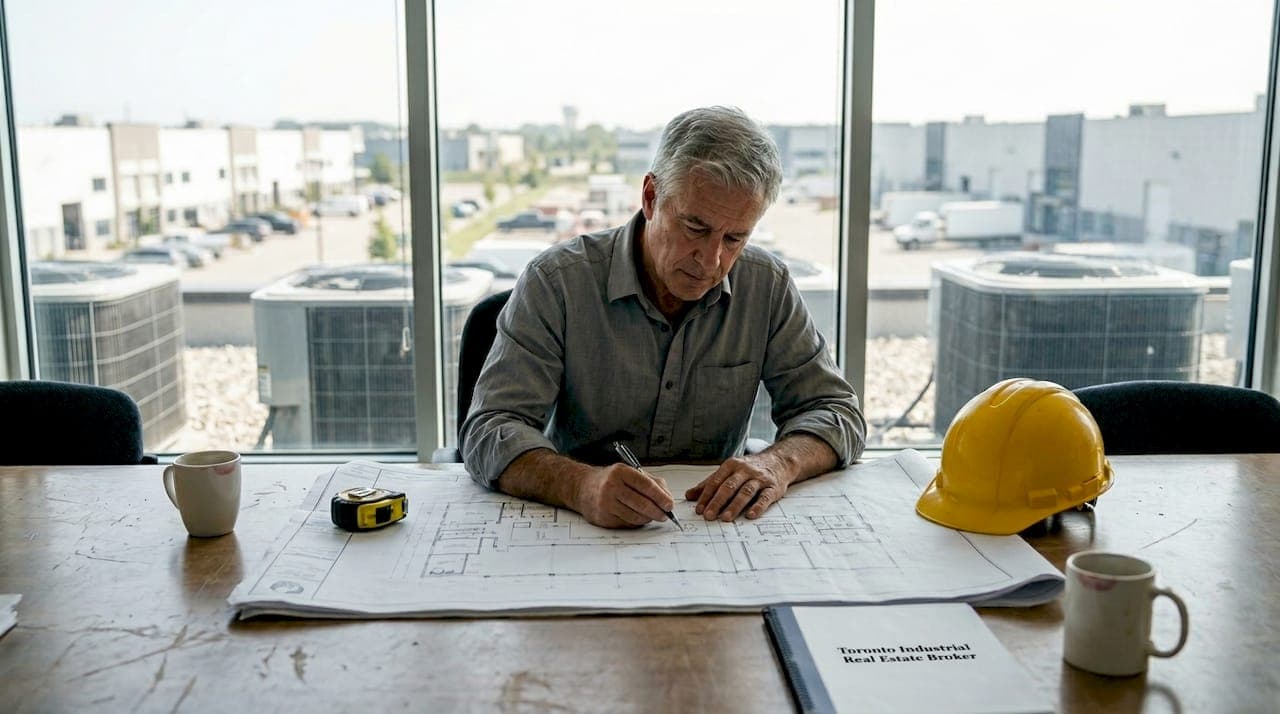
Securing an industrial lease in the Greater Toronto Area is only the beginning. The real challenge starts when you're standing inside an empty shell building and need to transform it into a fully operational logistics hub, warehouse, or manufacturing facility. Tenant fit-out for industrial spaces means customising that base shell to match your exact operational requirements, and in the GTA, that process involves navigating tight timelines, strict municipal codes, volatile construction costs, and a competitive leasing market. This guide walks you through every stage, from initial planning to final handover, so you can avoid costly mistakes and move in with confidence.
Table of Contents
- Fit-out planning essentials: what every GTA industrial tenant needs
- Step-by-step fit-out process for GTA industrial tenants
- Cost benchmarks, TI allowances, and budgeting for GTA fit-outs
- Troubleshooting, edge cases, and best practices for GTA fit-outs
- Connect your tenant fit-out with expert GTA real estate support
- Frequently asked questions
Key Takeaways
| Point | Details |
|---|---|
| Know your requirements | Different industrial spaces in the GTA demand specific fit-out elements, from mechanical systems to storage and office integration. |
| Follow a step-by-step process | Success depends on carefully planning each fit-out stage, site selection, and expert project management. |
| Budget and negotiate wisely | Leverage up-to-date cost benchmarks, understand TI allowances, and plan for contingencies to avoid overruns. |
| Avoid common pitfalls | Stay ahead of regulatory hurdles, hidden renovation issues, and volatile labour/material costs in the GTA. |
| Use expert support | Professional advisories can streamline fit-out, troubleshoot problems, and boost long-term operational value. |
Fit-out planning essentials: what every GTA industrial tenant needs
Understanding the fit-out process starts with knowing what your space needs and how GTA variables impact planning. Not all industrial spaces are created equal. A last-mile logistics depot has very different requirements from a food-grade manufacturing plant or a high-bay distribution centre. Knowing your industrial property types before you sign a lease is the single most important step you can take.
Most GTA industrial fit-outs require significant upgrades to mechanical and electrical (M&E) systems. According to manufacturing fit-out basics, a complete fit-out typically involves integration of M&E systems, racking, mezzanines, process-specific infrastructure, office and control rooms, compressed air and water lines, high-voltage electrical, and ventilation. That is a long list, and every item carries both a cost and a timeline.
Here is a quick overview of what distinguishes each space type:
| Space type | Key fit-out requirements | Typical complexity |
|---|---|---|
| Warehouse/logistics | Racking, dock levellers, lighting, sprinklers | Low to medium |
| Light manufacturing | M&E upgrades, ventilation, compressed air | Medium |
| Heavy/specialised manufacturing | High-voltage power, process piping, cleanrooms | High |
Beyond systems, you need to assess floor loading capacity, clear height, truck court depth, and proximity to Highway 400, 401, or 407 corridors. These factors directly affect your operational efficiency and your fit-out scope. Look at tenant examples in GTA to see how similar businesses have structured their spaces.
Key prerequisites to confirm before signing your lease:
- Zoning classification and permitted uses
- Available electrical capacity (amps and voltage)
- Floor slab thickness and load rating
- Existing HVAC and fire suppression systems
- Truck access, turning radius, and dock count
- Municipal permit timelines in your target city
Pro Tip: Engage an industrial contractor for a feasibility review before you finalise your lease. A two-hour site walk can reveal structural or utility issues that would cost hundreds of thousands of dollars to fix after signing.
Plan for a total fit-out timeline of 10 to 18 months from initial planning through to occupancy. Rushing this process is one of the most common and expensive mistakes GTA tenants make.
Step-by-step fit-out process for GTA industrial tenants
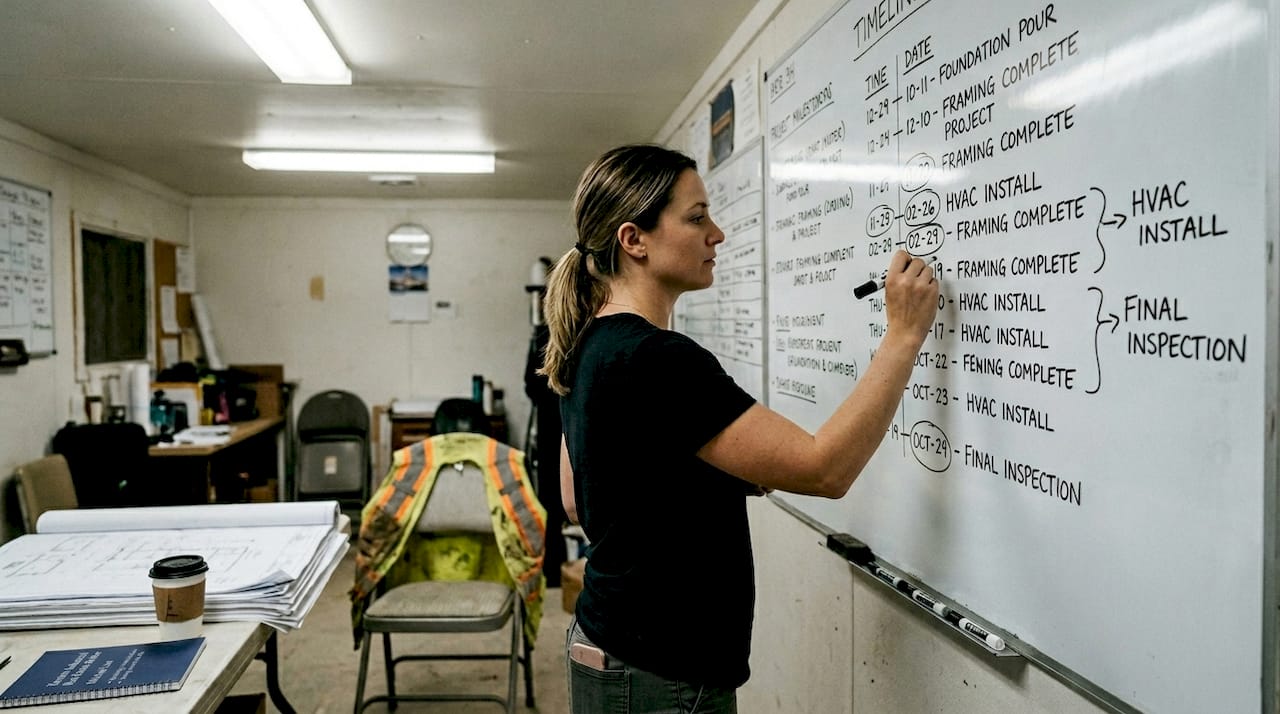
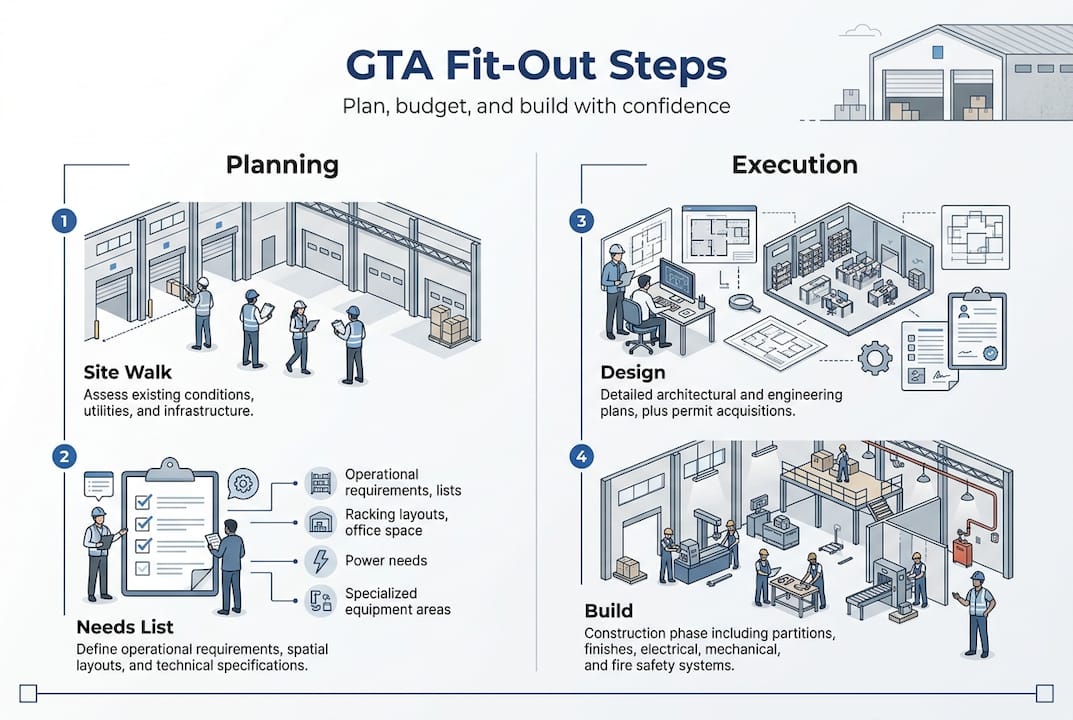
With your prerequisites set, you will proceed step by step through the fit-out journey. The industrial building development process follows a proven seven-step methodology that keeps projects on track and on budget.
- Define your operational scope. Document your production flow, storage volumes, headcount, equipment footprint, and utility demands before you look at a single property.
- Site selection and feasibility. Evaluate zoning, utility capacity, transport links, and structural condition. Hiring industrial experts at this stage saves significant time and money.
- Design and engineering. Work with architects and engineers to produce construction drawings that meet Ontario Building Code and local municipal requirements.
- Permitting. Submit to the relevant municipality, whether Brampton, Mississauga, Vaughan, or another GTA node. Permit timelines vary widely, so build in buffer.
- Construction and project management. Appoint a general contractor, set milestone schedules, and monitor progress weekly. Do not wait for problems to surface on their own.
- M&E and process integration. Commission mechanical, electrical, and process systems in sequence. This phase is where delays most often compound.
- Inspections, commissioning, and handover. Final inspections, occupancy permits, and operational sign-off mark the end of the fit-out and the start of your lease obligations.
Here is how new builds compare to renovations for GTA industrial tenants:
| Factor | New build | Renovation |
|---|---|---|
| Customisation | High | Medium |
| Timeline | Longer (18-24 months) | Shorter (10-16 months) |
| Cost | Higher upfront | Lower upfront, risk of hidden costs |
| Energy efficiency | Optimised | Depends on existing systems |
| Hidden defect risk | Low | Medium to high |
For property acquisition in the GTA, understanding this comparison early shapes your entire site selection strategy.
Pro Tip: If you are renovating an existing building, budget an additional 15% on top of your contingency specifically for hidden defects. Older GTA industrial stock often has asbestos, outdated electrical panels, or undersized drainage that only surfaces during demolition.
Cost benchmarks, TI allowances, and budgeting for GTA fit-outs
Once you know the process, it is critical to budget and negotiate effectively to avoid overruns. Construction costs in the GTA have remained elevated through 2025 and into 2026, driven by labour shortages and material price volatility.
Current GTA construction cost benchmarks as of Q3 2025 are:
| Space type | Cost range (CAD per sq ft) |
|---|---|
| Warehouse base shell | $115 to $175 |
| Light manufacturing | $160 to $300 |
| Heavy/specialised manufacturing | $300 to $440 |
These are hard construction costs only. Add 15 to 25% for soft costs including design fees, permits, project management, and furniture, fixtures, and equipment.
Tenant improvement (TI) allowances are a critical negotiation lever. Industrial TI allowances typically run $10 to $30 per square foot for office areas within an industrial lease, with minimal or no allowance for the warehouse floor itself. This is significantly lower than office leases, where TI can reach $80 to $120 per square foot.
Factors that influence your TI negotiation:
- Lease term length: longer terms attract higher TI offers
- Tenant credit quality: strong financials give landlords confidence to invest
- Market conditions: higher vacancy rates in a submarket improve your leverage
- Landlord's existing capital budget and asset strategy
Budget 20 to 30% contingency for GTA labour and material volatility. This is not optional padding. It is a practical buffer that protects your project from the cost spikes that have derailed fit-outs across Brampton, Mississauga, and Vaughan over the past three years.
For context on how GTA industrial trends are shaping landlord behaviour and TI availability, vacancy rates and absorption data directly affect how much flexibility you have at the negotiating table. Review GTA advisory services to understand how expert representation translates into measurable cost savings.
Pro Tip: Structure your TI ask around specific, itemised scopes of work rather than a lump sum. Landlords are far more likely to approve a $25 per square foot allowance tied to electrical upgrades and dock levellers than a vague improvement budget.
Troubleshooting, edge cases, and best practices for GTA fit-outs
Rounding out the fit-out process, it is worth knowing what can go wrong and how GTA tenants can maximise outcomes. The most expensive mistakes are almost always avoidable with early planning and the right advisors.
Common mistakes to avoid:
- Signing a lease before confirming zoning permits your specific use
- Underestimating floor load requirements for heavy racking or equipment
- Skipping a structural engineering review on older buildings
- Failing to account for municipal permit timelines in your move-in schedule
- Negotiating TI without a detailed scope of work in hand
- Overlooking ESG considerations that affect long-term operating costs and asset value
Edge cases deserve special attention. Specialised manufacturing fit-outs, such as food-grade facilities or cleanrooms, add 30 to 50% to base construction costs due to strict regulatory requirements and advanced M&E systems. If your operation falls into this category, your site selection criteria and budget must reflect that reality from day one.
The new build versus renovation decision also creates distinct risk profiles. New builds offer full customisation and modern energy efficiency, but they require longer timelines and higher upfront investment. Renovations can get you operational faster, but hidden defects in older GTA industrial stock are a genuine risk that has caught many tenants off guard.
Best practices that consistently deliver results:
- Engage your real estate advisor, contractor, and engineer simultaneously, not sequentially
- Prioritise highway access and labour market proximity in site selection
- Lock in contractor pricing early when market conditions allow
- Use the GTA real estate blog to stay current on submarket vacancy and rental trends
- Review industrial best practices from experienced GTA contractors before finalising your fit-out scope
The tenants who execute fit-outs successfully in the GTA share one trait: they treat the process as a strategic project, not an administrative task. Every decision, from site selection to systems commissioning, compounds into your final occupancy cost and operational capability.
Connect your tenant fit-out with expert GTA real estate support
With these best practices in mind, professional guidance can make the difference between a fit-out that runs on time and on budget and one that drains resources and delays your operations. Navigating GTA zoning, construction costs, and lease negotiations simultaneously is a full-time undertaking.
Michael Law Real Estate provides industrial tenant representation across all major GTA corridors, from Mississauga and Brampton to Vaughan, Markham, and the Durham Region. Whether you are planning a logistics hub, a light manufacturing facility, or a specialised production space, explore GTA industrial properties matched to your operational requirements. Our commercial real estate advisory services cover site selection, lease negotiation, TI structuring, and market intelligence, so your fit-out starts on the right foundation and delivers long-term value.
Frequently asked questions
How long does an industrial tenant fit-out take in the GTA?
Most fit-outs take 10 to 18 months in total, split across pre-construction planning (2 to 4 months), active construction (6 to 10 months), and post-construction commissioning (1 to 2 months).
What are typical tenant improvement (TI) allowances for industrial leases?
GTA industrial TI allowances typically range from $10 to $30 per square foot for office areas within an industrial lease, with minimal or no allowance applied to the warehouse floor itself.
How can I reduce risks when renovating an industrial space?
Commission a full structural and mechanical inspection before signing, verify zoning and floor load ratings, and budget a dedicated contingency for unforeseen repairs. Renovation risks are real but manageable with proper due diligence.
Are specialised fit-outs much more expensive in the GTA?
Yes. Food-grade or cleanroom fit-outs add 30 to 50% to base construction costs, driven by strict regulatory compliance requirements and advanced mechanical and electrical systems.
Should I choose a new build or renovate for my industrial fit-out?
New builds offer greater customisation and energy efficiency but require longer timelines and higher upfront costs. Renovations are faster but carry a higher risk of hidden structural or mechanical defects in older GTA industrial stock.